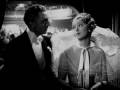
Today, l et’s talk Classic Movies of Myrna Loy! As the other half of our legendary couple, Myrna Loy was a film veteran of more than 50 movies by the time she made The Thin Man (1934) with William Powell. Beginning her film career in the silent 1920s, Loy usually played Oriental vamps and half-breed sirens bent on luring men to their destruction. Several of her early silent films are What Price Beauty? (1925), her first small role; Pretty Ladies (1925), with Joan
  Crawford; and Bitter Apples (1927), her first starring role. In the early 1930s, she often switched to glamour girls, models, and the smart and decorative “best friend” of the leading lady, but it was back to the oriental "bad girl" makeup for The Mask of Fu Manchu (1932), with B
 oris Karloff in the title role.
After signing with MGM, she was finally assigned two heftier projects with The Prizefighter and the Lady (1933) and The Thin Man (1934), in which Myrna Loy found her comedic niche. She was perfectly delightful in comic roles and audiences loved her wit, charm, and warmth as Nora in “The Thin Man” series and in similar pictures. By 1936, Loy was voted “queen of the movies” and Gable was “king”. Although she never won an Oscar for a particular performance, Myrna Loy did receive an Honorary Academy Award in 1991. She received it via television camera and simply said, “You’ve made me very happy. Thank you very much”.
Several of our favorite Myrna Loy pictures (minus William Powell) include The Rains Came (1939) an exciting “disaster” film complete with earthquake, breaking dam, flood, falling temple, and handsome Tyrone Power; The Bachelor and the Bobby-Soxer (1947), a delightful comedy with Cary Grant and Shirley Temple; Mr. Blandings Builds His Dream House (1948), another fine comedy with Cary Grant; John Steinbeck’s The Red Pony (1949), with Robert Mitchum; Cheaper By The Dozen (1950), with Clifton Webb; and its sequel, Belles On Their Toes (1952), with Jeanne Crain. The last two
 films follow the real-life adventures of the large Gilbreth family in the 1920’s. Clifton Webb is wonderful as the strict “efficiency expert” father while Myrna Loy is the perfect calm and caring mother of twelve children. When father (Webb) dies at the end of the first film, mother (Loy) must learn to carry on alone in her husband’s work and as the head of the family in the sequel. Both are fine family films full of warmth and humor.
The Myrna Loy picture in the spotlight today, however, is the Academy Award winning picture of 1946, William Wyler’s The Best Years of Our Lives, with Fredric March, Dana Andrews, Teresa Wright, and Harold Russell. Fredric March won the Best Actor Oscar for this film while physically challenged non-actor, Harold Russell, won a Best Supporting Actor Oscar and an Honorary Oscar for his performance as Homer Parrish, a sailor who comes back from World War II without his hands, having had them
  burned off when his ship was destroyed. The film follows the lives of three returning servicemen. Al (March), Fred (Andrews), and Homer (Russell) must all readjust to civilian life, learn to fit back into their old lives, and accept the new challenges that face them in a very changed America after the war. Myrna Loy, as Al’s wife, Millie, is remarkably convincing as a woman who must also adjust to having her husband back after years of
  separation. The poignant scene between Homer and his girlfriend, Wilma (Cathy O’Donnell), as he demonstrates his nightly ritual of removing his prosthetic metal hands, is extremely moving and eye-opening. The Best Years of Our Lives is one of the best dramas ever made and is certainly one worth watching again and again.
Myrna Loy made films off and on through the 1950s, but roles became fewer and fe wer. We’ve always enjoyed her performance in Midnight Lace (1960), with Doris Day, but it would be 1969 before she made her next film, April Fools. Her last film was Sidney Lumet’s Just Tell Me What You Want (1980) and her last TV movie was Summer Solstice in 1981. Myrna Loy died in surgery in New York City in 1993 at the age of 88. She was a lovely actress and a true legend of the silver screen.
**Trivia Question for Today: Though she never actually won an Oscar, for what film(s) was Myrna Loy nominated for an Academy Award winning performance?
Trivia Answer for Previous Post: The William Powell film that has th e distinction of being the first installment on NBC’s Saturday Night at the Movies in 1961 is How to Marry a Millionaire (1953). It was the first Cinemascope and Technicolor film to ever be televised.
 et’s talk Classic Movies of Myrna Loy! As the other half of our legendary couple, Myrna Loy was a film veteran of more than 50 movies by the time she made The Thin Man (1934) with William Powell. Beginning her film career in the silent 1920s, Loy usually played Oriental vamps and half-breed sirens bent on luring men to their destruction. Several of her early silent films are What Price Beauty? (1925), her first small role; Pretty Ladies (1925), with Joan
  Crawford; and Bitter Apples (1927), her first starring role. In the early 1930s, she often switched to glamour girls, models, and the smart and decorative “best friend” of the leading lady, but it was back to the oriental "bad girl" makeup for The Mask of Fu Manchu (1932), with B
 oris Karloff in the title role.
After signing with MGM, she was finally assigned two heftier projects with The Prizefighter and the Lady (1933) and The Thin Man (1934), in which Myrna Loy found her comedic niche. She was perfectly delightful in comic roles and audiences loved her wit, charm, and warmth as Nora in “The Thin Man” series and in similar pictures. By 1936, Loy was
 voted “queen of the movies” and Gable was “king”. Although she never won an Oscar for a particular performance, Myrna Loy did receive an Honorary Academy Award in 1991. She received it via television camera and simply said, “You’ve made me very happy. Thank you very much”.
Several of our favorite Myrna Loy pictures (minus William Powell) include The Rains Came (1939) an exciting “disaster” film complete with earthquake, breaking
 dam, flood, falling temple, and handsome Tyrone Power; The Bachelor and the Bobby-Soxer (1947), a delightful comedy with Cary Grant and Shirley Temple; Mr. Blandings Builds His Dream House (1948), another fine comedy with Cary Grant; John Steinbeck’s The Red Pony (1949), with Robert Mitchum; Cheaper By The Dozen (1950), with Clifton Webb; and its sequel, Belles On Their Toes (1952), with Jeanne Crain. The last two
 films follow the real-life adventures of the large Gilbreth family in the 1920’s. Clifton Webb is wonderful as the strict “efficiency expert” father while Myrna Loy is the perfect calm and caring mother of twelve children. When father (Webb) dies at the end of the first film, mother (Loy) must learn to carry on alone in her husband’s work and as the head of the family in the sequel. Both are fine family films full of warmth and humor.
The Myrna Loy picture in the spotlight today, however, is the Academy Award
 winning picture of 1946, William Wyler’s The Best Years of Our Lives, with Fredric March, Dana Andrews, Teresa Wright, and Harold Russell. Fredric March won the Best Actor Oscar for this film while physically challenged non-actor, Harold Russell, won a Best Supporting Actor Oscar and an Honorary Oscar for his performance as Homer Parrish, a sailor who comes back from World War II without his hands, having had them
  burned off when his ship was destroyed. The film follows the lives of three returning servicemen. Al (March), Fred (Andrews), and Homer (Russell) must all readjust to civilian life, learn to fit back into their old lives, and accept the new challenges that face them in a very changed America after the war. Myrna Loy, as Al’s wife, Millie, is remarkably convincing as a woman who must also adjust to having her husband back after years of
  separation. The poignant scene between Homer and his girlfriend, Wilma (Cathy O’Donnell), as he demonstrates his nightly ritual of removing his prosthetic metal hands, is extremely moving and eye-opening. The Best Years of Our Lives is one of the best dramas ever made and is certainly one worth watching again and again.
Myrna Loy made films off and on through the 1950s, but roles became fewer and fe
 wer. We’ve always enjoyed her performance in Midnight Lace (1960), with Doris Day, but it would be 1969 before she made her next film, April Fools. Her last film was Sidney Lumet’s Just Tell Me What You Want (1980) and her last TV movie was Summer Solstice in 1981. Myrna Loy died in surgery in New York City in 1993 at the age of 88. She was a lovely actress and a true legend of the silver screen.
**Trivia Question for Today: Though she never actually won an Oscar, for what film(s) was Myrna Loy nominated for an Academy Award winning performance?
Trivia Answer for Previous Post: The William Powell film that has th
 e distinction of being the first installment on NBC’s Saturday Night at the Movies in 1961 is How to Marry a Millionaire (1953). It was the first Cinemascope and Technicolor film to ever be televised.